
Kitchen Colour Ideas: 5 Things to Consider Before Renovating
Choosing a kitchen colour is one of the biggest decisions in any renovation. The right colour can make your kitchen feel brighter, warmer, larger or more modern. The wrong shade, on the other hand, can make the room feel darker, colder or harder to style.
Whether you are planning a full kitchen renovation or simply replacing your kitchen doors, your colour scheme will shape the overall look and feel of the space. From natural light to long-term practicality, here are five important things to consider before choosing your kitchen colour.
1. Think About Natural Light in Your Kitchen
Natural light can change how a kitchen colour looks throughout the day. This is especially important in UK homes, where the weather and light levels can vary a lot.
If your kitchen gets plenty of natural light, you may have more flexibility with deeper or bolder colours. Navy blue, forest green, charcoal and darker wood tones can all work well in a bright kitchen because the natural light helps stop the room from feeling too heavy.
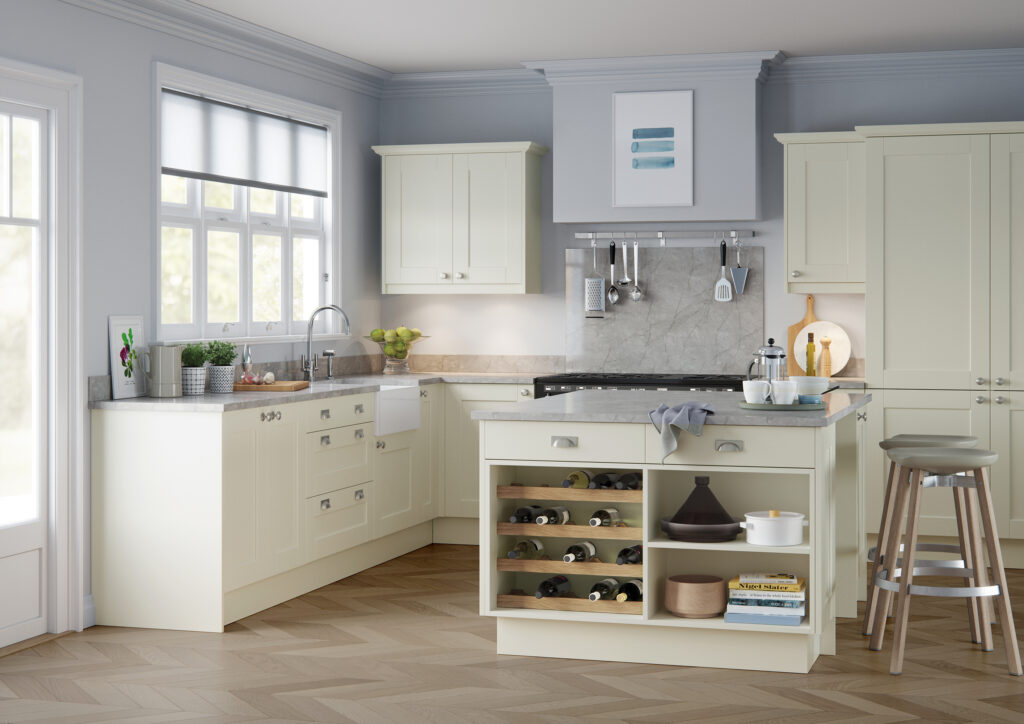
If your kitchen has limited natural light, lighter colours may be a better choice. Soft white, cream, pale grey, cashmere and muted green can help the space feel more open and airy. These shades reflect light more easily and can make a smaller or darker kitchen feel more inviting.
Before making a final decision, try looking at colour samples at different times of day. A colour that looks perfect in the morning may feel very different in the evening or under artificial lighting.
2. Match Your Colour Scheme to Existing Kitchen Features
Your kitchen colour should work with the other design elements in the room. This includes your flooring, worktops, splashback, handles, appliances and wall colour.
For example, if your kitchen has warm wooden flooring, earthy tones such as cream, taupe, sage green or warm grey can help create a balanced look. If your worktops are light or marble-effect, you may want to choose kitchen doors in a soft neutral, navy or deep green for contrast.
It is also worth thinking about the style of your kitchen doors. Traditional shaker-style doors often work well in painted finishes such as cream, grey, green or blue. Modern flat doors may suit gloss, matt or darker statement colours.
The aim is to create a kitchen that feels connected, rather than a space where each element feels separate.
3. Choose a Colour That Fits Your Personal Style
Your kitchen should suit the way you live and the style you naturally like. Trends can be useful for inspiration, but the best kitchen colour is one you will still enjoy in a few years’ time.
If you prefer a timeless look, neutral shades such as white, cream, cashmere, soft grey and light taupe are reliable options. These colours are easy to style and work well with a wide range of worktops, tiles and handles.
If you want something more distinctive, colours such as sage green, navy blue, charcoal, forest green or even deep burgundy can give your kitchen more character. These shades work especially well when paired with simple finishes and carefully chosen accessories.
In many UK kitchens, muted tones remain popular because they feel calm, practical and easy to live with. Soft greens, warm greys and off-whites are especially versatile if you want a kitchen that feels modern but not too bold.
4. Consider Durability and Maintenance
Kitchen colours need to look good, but they also need to be practical. Kitchens are high-use spaces, so it is important to think about how your chosen finish will handle everyday life.
Light colours can make a kitchen feel bigger and brighter, but they may show marks more easily in busy family kitchens. Darker colours can look stylish and dramatic, but fingerprints, dust and water marks may be more noticeable, especially on very smooth finishes.
Gloss kitchen doors can help reflect light and create a modern feel, but they may need more regular wiping to keep them looking clean. Painted kitchen doors often create a softer, more classic appearance and can be a strong option if you want a warm, tailored look.
You should also consider moisture, heat and splashes. Kitchen finishes need to cope with cooking, cleaning and daily use, so choosing durable doors, units and finishes is just as important as choosing the right colour.
5. Think About Long-Term Appeal
It is natural to choose a colour based on what you love now, but it is also sensible to think about how the kitchen will feel in the long term.
Neutral and classic colour schemes tend to have broad appeal. White, cream, light grey, cashmere and soft green are popular because they work with many different styles and are unlikely to date quickly.
That does not mean you need to avoid colour completely. A good approach is to use a more timeless shade for the main kitchen doors and bring in stronger colours through walls, splashbacks, handles, lighting or accessories. These details are easier to update later if your taste changes.
If you are planning to sell your home in the future, a clean and well-balanced kitchen colour scheme can also help the space feel more appealing to potential buyers.
Popular Kitchen Colour Ideas
If you are still unsure which colour to choose, here are a few popular kitchen colour ideas to consider.
Grey kitchens
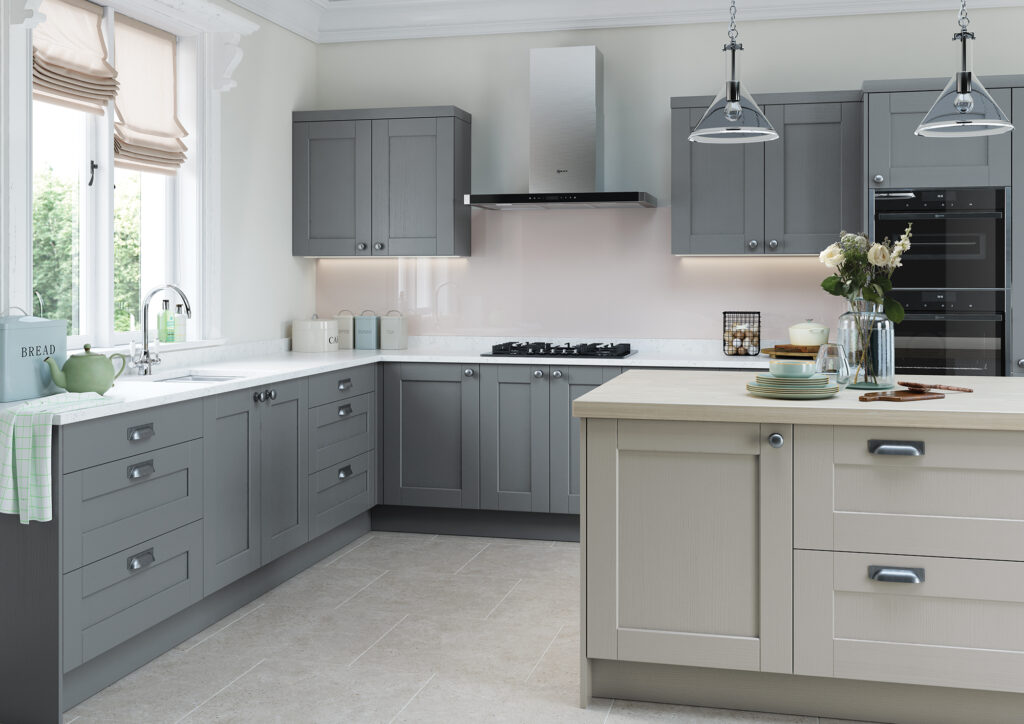
Grey kitchen units are versatile and work well in both modern and traditional homes. Light grey can make a kitchen feel calm and spacious, while darker grey creates a more dramatic, contemporary look. Grey also pairs well with white worktops, wood finishes, black handles and soft pastel accents.
Cream kitchens
Cream kitchens feel warm, classic and inviting. They are a good choice if you want something softer than bright white. Cream works well with wooden worktops, stone-effect surfaces, traditional handles and warm neutral walls.
Green kitchens
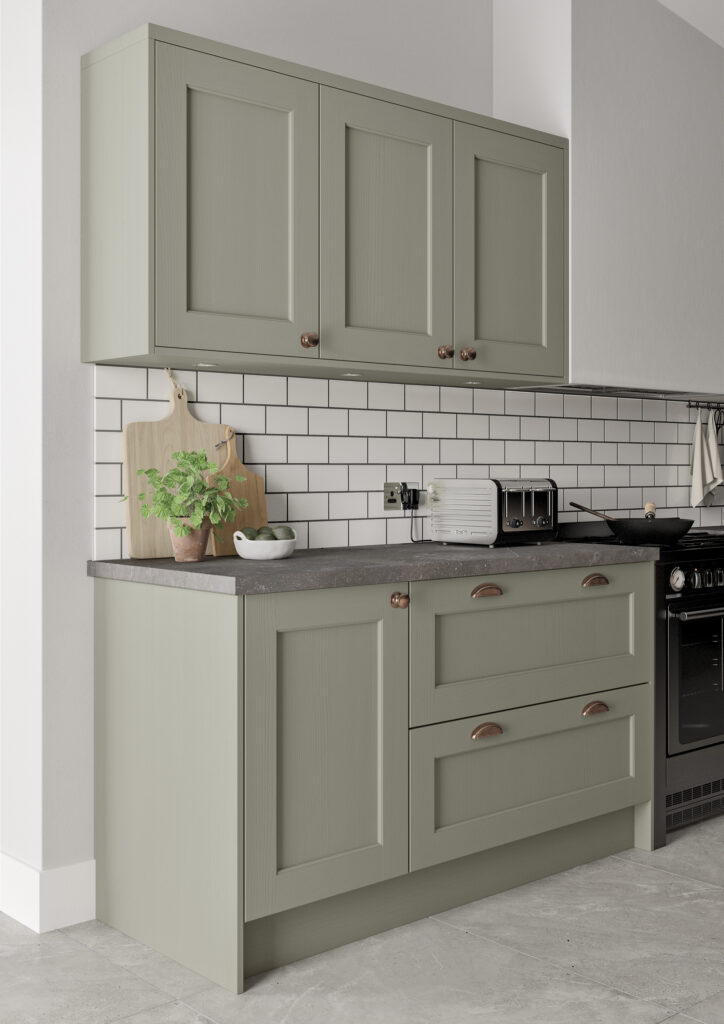
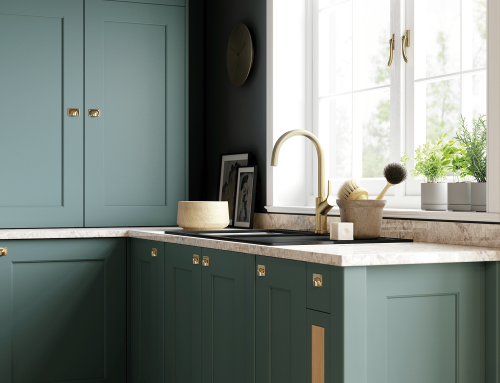
Green has become a popular kitchen colour because it feels natural, calming and stylish. Sage green is a great choice for a soft and understated look, while olive or forest green can create a richer, more confident design. Green pairs beautifully with brass handles, cream walls and natural wood.
Navy kitchens
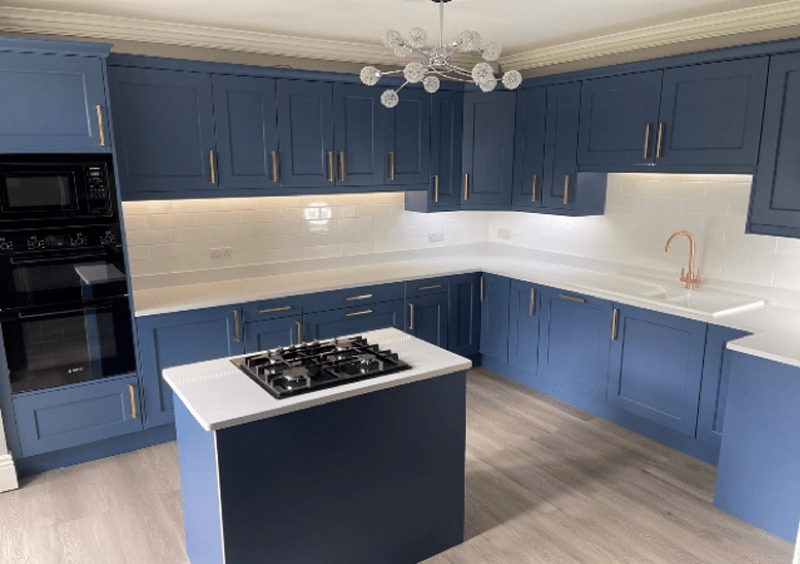
Navy blue is ideal if you want a kitchen with depth and character. It works especially well in bright spaces or when balanced with light worktops and walls. Navy can feel modern or traditional depending on the door style and finishing touches.
Black and white kitchens
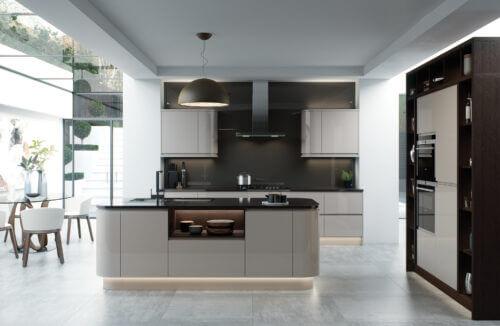
Black and white kitchens are timeless and striking. The key is to add warmth through texture, such as wood flooring, brass handles or a patterned splashback. This helps stop the space from feeling too stark.
Cashmere kitchens
Cashmere kitchen units are a soft neutral choice that sits between beige, grey and taupe. This makes them easy to style and less harsh than bright white. Cashmere works well with white, warm grey, blush pink, sage green and natural wood finishes.
Refreshing Your Kitchen with New Doors
If your existing kitchen layout still works, you may not need a full renovation. Replacing your kitchen doors can be a practical way to introduce a new colour, finish or style without changing the whole room.
New painted kitchen doors, gloss kitchen doors or stained kitchen doors can completely change the look of your space while keeping your existing units in place. This can be especially useful if your cabinets are still in good condition but the overall kitchen feels dated.
Kitchen Experts offers a wide range of kitchen doors, kitchen units and finishes to help you create a look that suits your home. Whether you want something classic, modern, bold or neutral, choosing the right colour is a strong first step towards a kitchen you will enjoy every day.
Frequently Asked Questions
What colour goes with grey kitchen units?
Grey kitchen units work well with white, soft green, navy blue, blush pink and warm wood tones. For a clean modern look, pair grey units with white worktops and simple handles. For a warmer finish, add natural wood, brass or soft neutral shades.
What colour splashback goes with a grey kitchen?
A grey kitchen pairs well with white tiles, marble-effect splashbacks, grey glass, soft green or muted blue. If you want a simple timeless look, white subway tiles are a safe choice. For a bolder finish, consider teal, navy or patterned tiles.
What colour goes with cream kitchen units?
Cream kitchen units work well with warm neutrals, soft sage green, light grey, pale blue and natural wood tones. These colours help keep the kitchen feeling warm and classic without making the space look too yellow.
What colours go with cashmere kitchen units?
Cashmere kitchen units pair well with white, warm grey, soft green, blush pink, navy and darker wood finishes. For a modern look, combine cashmere units with matte black handles or a simple stone-effect worktop.
What colour goes with a black and white kitchen?
Black and white kitchens work well with warm metallics such as brass or gold, as well as natural wood, deep green, navy or soft grey. Adding texture through flooring, handles or splashbacks can stop the space from feeling too stark.
Is green a good colour for a kitchen?
Yes, green is a great kitchen colour, especially softer shades like sage, olive and muted forest green. It works well with wood, cream, white and brass finishes, making it a strong choice for both modern and traditional kitchens.